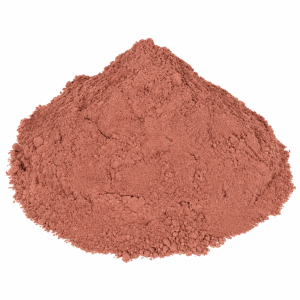
Mimosa Hostilis Inner Root Bark (MHRB) – Powder
Price range: €189.00 through €559.00
Mimosa Hostilis Inner Root Bark (MHRB) – Powder is a finely milled botanical material sourced from Brazil and made from carefully cleaned inner root bark of Mimosa hostilis, also known as Mimosa tenuiflora.
The bark is dried under controlled conditions, finely ground and filtered to remove lighter fibres, producing a consistent powdered format.
Known in Brazil as Jurema or Jurema Preta, this botanical material is suitable for natural dyeing, creative crafts, botanical research and other appropriate non-consumable applications.
Carefully processed and packaged, Brazilian MHRB powder offers a convenient option for customers seeking quality-focused, finely prepared inner root bark.
Premium Brazilian Mimosa Hostilis Inner Root Bark Powder
Mimosa Hostilis Inner Root Bark (MHRB) – Powder is a finely processed botanical material sourced from Brazil. Also known botanically as Mimosa tenuiflora, this plant belongs to the Fabaceae family and is commonly associated with names including Jurema, Jurema Preta, Calumbi and Tepezcohuite.
Our Brazilian MHRB powder is produced from carefully cleaned inner root bark and processed into a fine, filtered powder. The production process focuses on maintaining the quality and consistency of the botanical material from harvesting through to final packaging.
Botanical Classification
- Family: Fabaceae (Leguminosae; Mimosaceae)
- Genus: Mimosa
- Species: Mimosa hostilis (Mimosa tenuiflora)
- Origin: Brazil
- Common Names: Jurema, Tepezcohuite, Cabrero, Carbonal, Jurema Preta, Calumbi, Black Jurema, Vinho de Jurema and Yurema
Mimosa tenuiflora is a shrub or small tree native to tropical regions of the Americas. It is particularly associated with Brazil and is found in areas including the northeastern Brazilian caatinga.
Brazilian Origin
This Mimosa Hostilis Inner Root Bark (MHRB) – Powder is sourced from Brazil from suppliers with experience in harvesting and processing Mimosa hostilis root bark. Brazilian MHRB is valued for its distinctive botanical characteristics and natural colour. The source material is carefully selected before being prepared for drying and milling.
Carefully Selected Inner Root Bark
The product is made from cleaned inner root bark. During processing, attention is given to separating the usable bark material from unwanted fibres and other material. The focus on inner root bark provides a more consistent starting material for producing the finished Mimosa Hostilis Inner Root Bark Powder.
Responsible Harvesting
The supplied production information describes a harvesting approach designed to reduce unnecessary impact on the plants. According to the source, only one root is harvested from each plant rather than removing all roots.
This approach is intended to support a more responsible method of sourcing Brazilian Mimosa hostilis root bark while providing a consistent supply of botanical material.
Natural Processing
The source material is cleaned and transported for controlled drying before milling. The bark is dried under shaded conditions for several days and subsequently processed using clean milling equipment.
Once dried, the bark is ground into a fine powder. The powdered material is then filtered to remove lighter filler fibres before being packed.
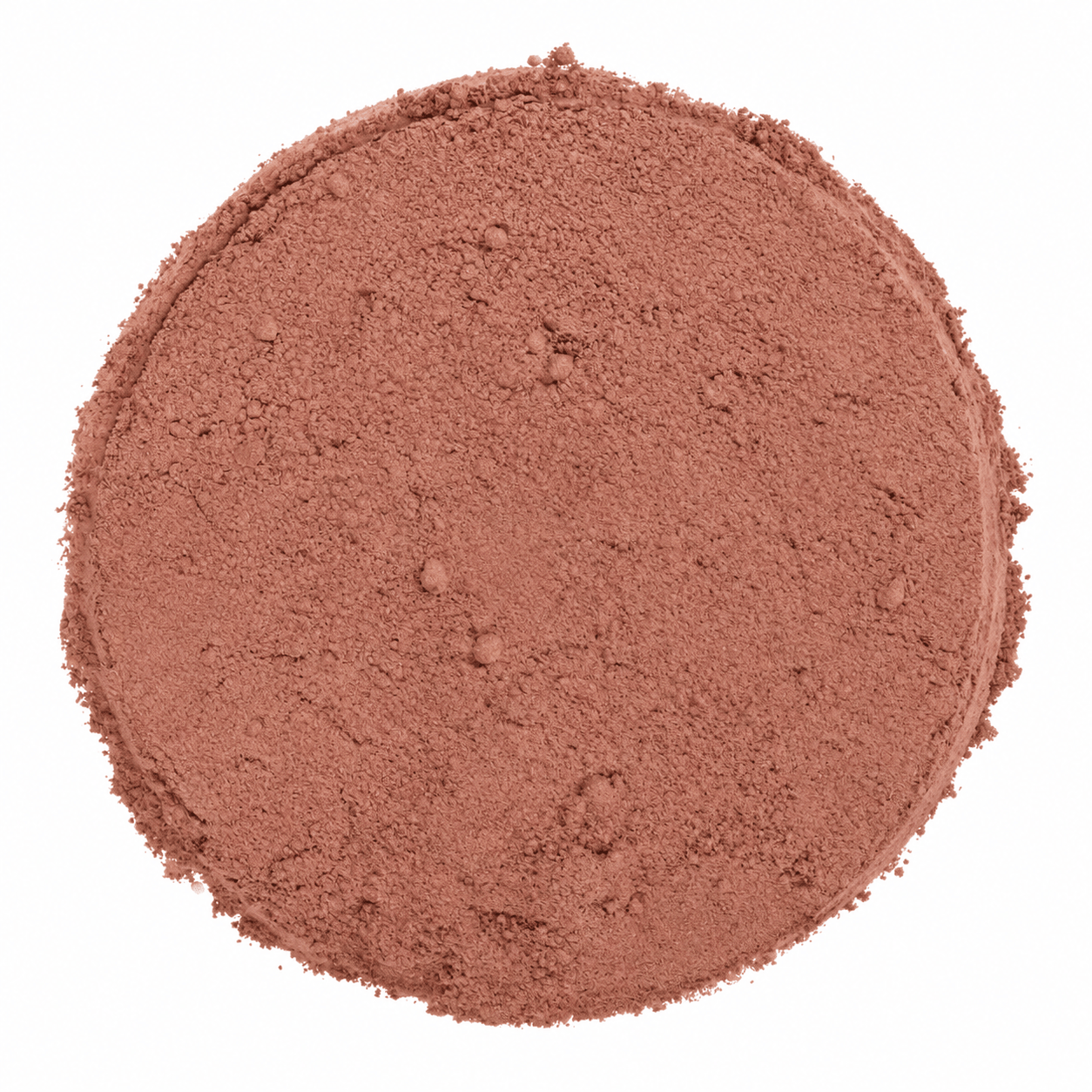
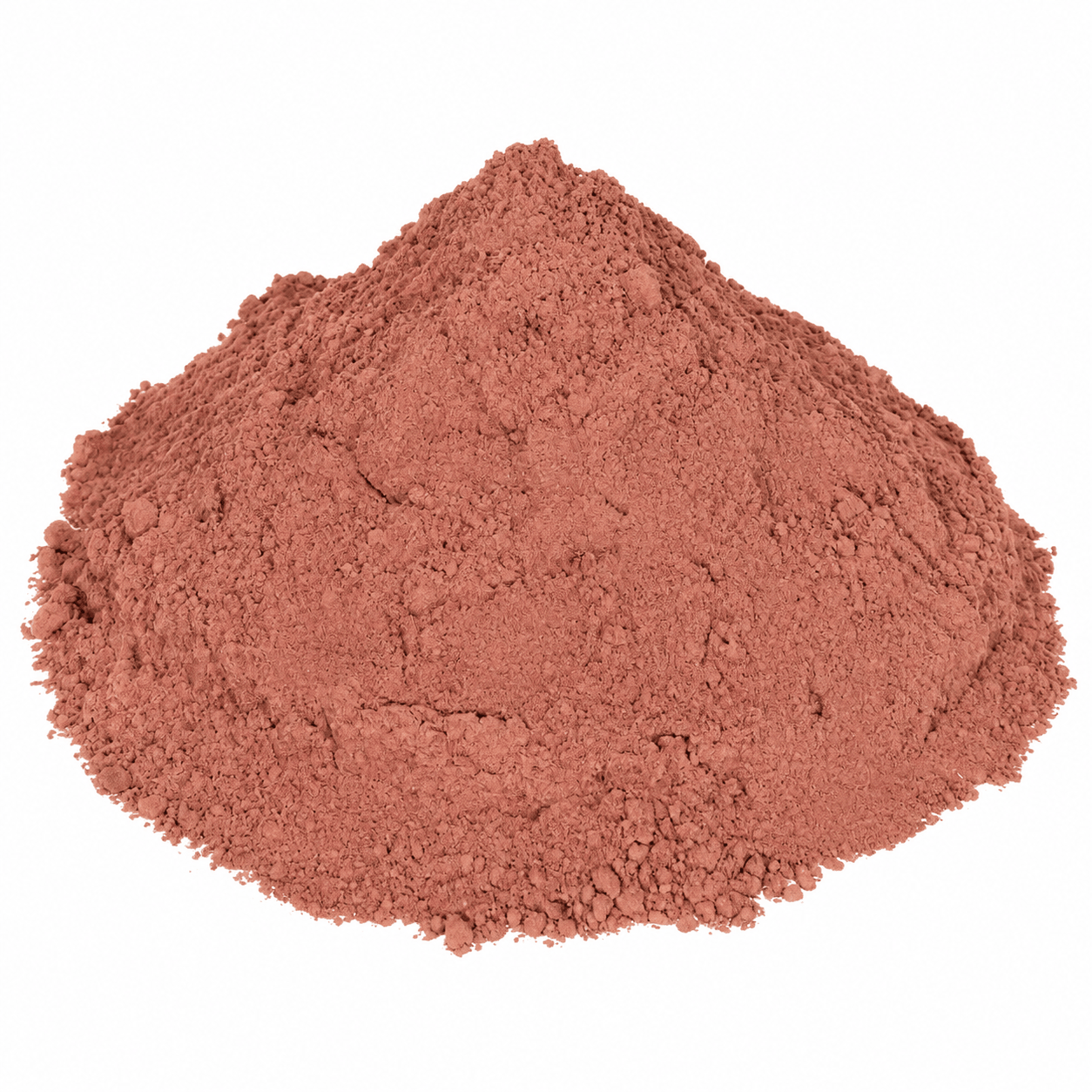
This multi-stage process helps produce a fine and consistent Mimosa Hostilis Root Bark Powder with a characteristic darker appearance.
Fine Powder Format
The powder format is designed for customers who prefer finely milled Mimosa Hostilis inner root bark rather than larger pieces or shredded material.
The bark is ground using dedicated processing equipment and subsequently filtered. This produces a fine botanical powder that is convenient to handle, store and use for suitable botanical, natural dyeing, craft and research applications.
Freshly Processed Batches
The supplied product information emphasises fresh stock rather than long-held inventory. The harvesting and processing system is based on working with smaller quantities several times a week. This approach is intended to support freshness and consistency by moving the harvested material through drying, milling, filtering and packaging without unnecessary delays.
No Added Processing Chemicals
According to the supplied production information, the root bark is processed without adding chemicals or other products during processing. The cleaned bark is dried, ground, filtered and packed as a botanical material. This straightforward processing approach allows the finished product to remain focused on the natural inner root bark itself.
Natural Botanical Characteristics
Mimosa tenuiflora is a legume tree associated with tropical and seasonally dry regions of the Americas. In Brazil, it is commonly known as Jurema Preta and Calumbi. The bark naturally contains tannins and has distinctive colour characteristics. These botanical properties contribute to its longstanding interest in natural dyeing, botanical study and traditional plant knowledge.
Suitable Applications
Mimosa Hostilis Inner Root Bark (MHRB) – Powder can be suitable for a range of non-consumable botanical and creative applications, including:
- Natural dyeing projects
- Textile and fibre work
- Creative crafts
- Botanical research
- Ethnobotanical study
- Educational projects
- Suitable plant-based creative applications
The fine powder format makes the product particularly convenient where a consistent powdered botanical material is preferred.
Quality-Focused Production
From harvesting and drying through to milling and filtration, the production process is designed with attention to the quality of the finished material. Key processing features include:
- Brazilian origin
- Carefully selected inner root bark
- Responsible harvesting approach
- Controlled shaded drying
- Fine milling
- Fibre filtration
- Clean processing equipment
- Small-batch processing
- Quick packaging after processing
These steps help provide a consistent and carefully prepared Brazilian MHRB powder.
Why Choose Mimosa Hostilis Inner Root Bark Powder?
Choosing Mimosa Hostilis Inner Root Bark (MHRB) – Powder provides a convenient finely milled format made from Brazilian inner root bark.
It combines:
- Brazilian-sourced Mimosa hostilis
- Fine powdered consistency
- Cleaned inner root bark
- Carefully controlled drying
- Filtered powder
- Natural botanical characteristics
- Quality-focused processing
- Convenient handling and storage
Order Mimosa Hostilis Inner Root Bark (MHRB) – Powder
If you are looking for finely processed Mimosa Hostilis Inner Root Bark (MHRB) – Powder, this Brazilian botanical product offers a carefully prepared option. Sourced from Brazil and produced from selected inner root bark, the material is dried, finely milled, filtered and packaged with attention to quality and consistency. Its convenient powder format makes it suitable for natural dyeing, creative projects, botanical research and other appropriate non-consumable applications.
Frequently Asked Questions
What is Mimosa Hostilis Inner Root Bark (MHRB) – Powder?
Mimosa Hostilis Inner Root Bark (MHRB) – Powder is a finely milled botanical material made from the inner root bark of Mimosa hostilis, also known as Mimosa tenuiflora. The product is sourced from Brazil and processed into a fine, filtered powder.
Where does this Mimosa Hostilis Root Bark Powder come from?
This MHRB powder is sourced from Brazil. The supplied product information describes the source as a Brazilian supplier with experience in harvesting and processing Mimosa hostilis root bark.
What is the botanical name of Mimosa Hostilis?
The plant is botanically known as Mimosa tenuiflora and is also referred to as Mimosa hostilis. It belongs to the Fabaceae family and is commonly associated with names such as Jurema, Jurema Preta and Calumbi.
What is Jurema Preta?
Jurema Preta is one of the common Brazilian names associated with Mimosa hostilis. Other names mentioned for the plant include Jurema, Calumbi, Tepezcohuite, Cabrero, Carbonal, Black Jurema, Vinho de Jurema and Yurema.
Is this product made from inner root bark?
Yes. The product is made from cleaned inner root bark. The bark is processed before milling, with unwanted material and lighter filler fibres removed during preparation and filtration.
How is the Mimosa Hostilis Root Bark Powder processed?
The cleaned inner root bark is dried under shaded conditions for several days. It is then ground using clean machinery to produce a fine powder. The powder is subsequently filtered to remove lighter filler fibres before being packaged.
Is the Mimosa Hostilis Root Bark Powder finely milled?
Yes. The bark is processed using a dedicated milling system to produce a fine powdered material. The subsequent filtration process further refines the finished powder by removing lighter fibres.
Why are fibres removed from the powder?
Lighter-coloured filler fibres are filtered from the milled bark. This helps produce a darker and more consistent powdered material.
Is this Mimosa Hostilis Root Bark freshly processed?
The supplied product information describes the product as fresh stock and explains that smaller quantities are harvested and processed several times a week. This production approach is intended to support freshness and consistency.
Is Mimosa Hostilis Root Bark processed with chemicals?
According to the supplied product information, no chemicals or additional products are used during processing. The bark is cleaned, dried, milled, filtered and packaged.
How is the Brazilian Mimosa Hostilis Root Bark harvested?
The supplied information describes a responsible harvesting approach in which one root is harvested from each plant rather than removing all of the plant’s roots. The aim is to reduce unnecessary impact on the plants while maintaining a supply of root bark.
What colour is Brazilian Mimosa Hostilis Root Bark Powder?
The finished powder is described as having a darker colour after the lighter filler fibres have been removed during filtration. Natural colour variation can occur because the product is a botanical material.
What is the difference between Mimosa Hostilis powder and shredded bark?
The main difference is the physical form. Powdered MHRB is finely milled and filtered, while shredded bark consists of larger pieces. The powdered format is convenient for customers who prefer a fine and consistent botanical material.
What can Mimosa Hostilis Inner Root Bark Powder be used for?
The powder can be suitable for natural dyeing, creative crafts, botanical research, ethnobotanical study and other appropriate non-consumable plant-based applications.
How should Mimosa Hostilis Root Bark Powder be stored?
The powder should be kept in a suitable dry environment and protected from excess moisture. Keeping the packaging properly closed between uses can help maintain the condition of the botanical material.
Is Mimosa Hostilis Root Bark Powder suitable for botanical research?
Yes. The finely powdered format can be suitable for botanical, educational and ethnobotanical research where a consistent form of Brazilian inner root bark is required.
| Available weight variants | 1 KG, 2 KG, 4 KG |
|---|
Be the first to review “Mimosa Hostilis Inner Root Bark (MHRB) – Powder”
Related products
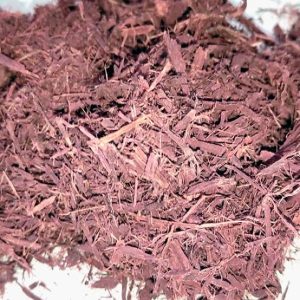
Brazilian Mimosa Hostilis Root Bark
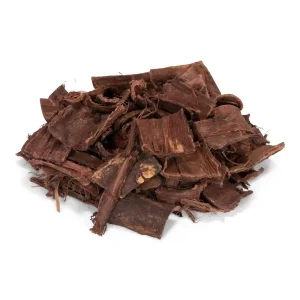
Brazilian Mimosa Hostilis Root Bark
Reviews
There are no reviews yet.