Brazilian Mimosa Hostilis Root Bark | Premium Brazilian Mimosa Hostilis Inner Root Bark
Discover Brazilian Mimosa Hostilis Root Bark, sourced from Brazil and known locally as Jurema or Jurema Preta. Our Brazilian Mimosa Hostilis comes from Bahia in the Northeast Region of Brazil, where the plant grows in its natural environment.
Brazilian Mimosa Hostilis Root Bark is carefully selected and processed with attention to the quality of the raw material. From harvesting through drying, sorting and milling, each stage is handled with the aim of producing a consistent and carefully prepared botanical product.
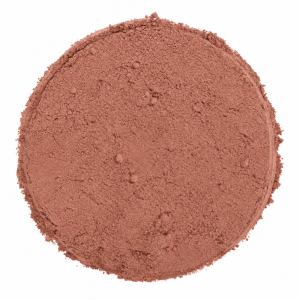
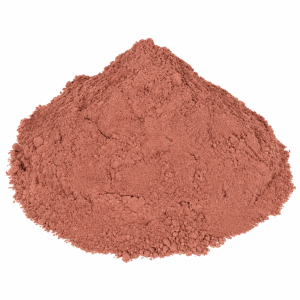
Brazilian Mimosa Hostilis Root Bark
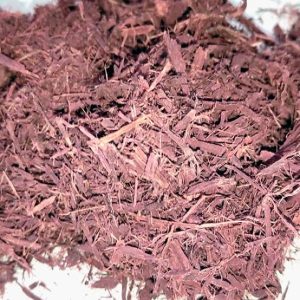
Brazilian Mimosa Hostilis Root Bark
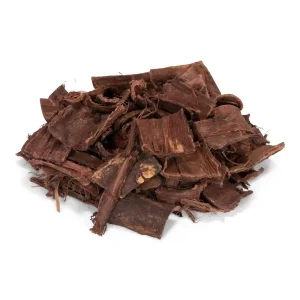
Brazilian Mimosa Hostilis Root Bark
Brazilian Mimosa Hostilis from Bahia
Bahia is located in the Northeast Region of Brazil and provides a natural environment where Mimosa hostilis grows. The region is known for its distinctive landscape, climate, history and cultural heritage.
The local name Jurema Preta is commonly associated with Mimosa hostilis in Brazil. This regional connection is an important part of the botanical identity and heritage of Brazilian Mimosa Hostilis Root Bark.
Our Brazilian root bark is sourced from this region and handled by local suppliers with knowledge and experience in working with the plant.
Carefully Selected Root Bark
The quality of Brazilian Mimosa Hostilis Root Bark begins with careful selection. Suppliers select mature, adult trees for harvesting and use their experience to collect the appropriate amount of root bark.
The harvesting approach described by our suppliers is intended to minimise harm to the trees while allowing the plants and their surrounding environment to continue developing. Working with experienced local suppliers also helps maintain consistency in the raw material supplied for processing.
This careful approach is an important part of producing a quality-focused Brazilian Mimosa Hostilis Root Bark product.
Responsible Harvesting
Responsible sourcing is an important consideration when working with natural botanical materials. Our Brazilian Mimosa Hostilis Root Bark is supplied through local farmers and suppliers who have experience with the plant and its natural environment.
The harvesting process focuses on selecting adult trees and taking an appropriate amount of root bark rather than indiscriminately harvesting the available plants.
By working with people who understand the local environment and the characteristics of Mimosa hostilis, the sourcing process can place greater emphasis on careful harvesting and consistent raw material quality.
Drying and Processing Brazilian Mimosa Hostilis
Once the best root bark has been selected, it is dried as part of the preparation process. According to the production approach described for this Brazilian bark, the material is processed indoors to reduce unnecessary exposure to direct sunlight and excess moisture during drying.
After drying, the Jurema root bark is sorted according to its intended finished form. Some of the material is prepared for fine powder, while another portion is processed into shredded bark.
This separation allows customers to choose the physical form that best suits their intended application.
Brazilian Mimosa Hostilis Root Bark Powder
Brazilian Mimosa Hostilis Root Bark Powder is produced using a dedicated bark mill designed to process the dried material into a fine consistency.
During milling, lighter-coloured fibres are carefully sieved out. This additional filtration helps produce a darker finished powder with a more consistent appearance.
The resulting powder provides a convenient format for customers who prefer finely processed Brazilian Mimosa Hostilis Root Bark for suitable botanical, natural dyeing, craft and research applications.
Brazilian Mimosa Hostilis Shredded Root Bark
For customers who prefer a less finely processed format, Brazilian Mimosa Hostilis Shredded Root Bark is also available.
Shredded bark retains larger pieces of the original material compared with powder. The choice between powdered and shredded Mimosa Hostilis is largely a matter of personal preference and the requirements of the intended project.
Offering both formats allows customers to select the form that is most convenient for their particular application.
Powdered or Shredded Brazilian Mimosa Hostilis?
One of the most common considerations when choosing Brazilian Mimosa Hostilis Root Bark is whether to purchase it in powder or shredded form.
Powdered Mimosa Hostilis is finely milled and offers a more uniform physical consistency. It is a practical choice where a fine botanical material is preferred.
Shredded Mimosa Hostilis consists of larger pieces of bark and provides an alternative for customers who prefer to work with the material in a less processed form.
Neither format is universally better. The most suitable choice depends on your personal preference and intended use.
Natural Colour Characteristics
Brazilian Mimosa Hostilis Root Bark has naturally distinctive colour characteristics. The production process pays particular attention to the appearance of the finished material.
During milling, lighter-coloured fibres are sieved out, resulting in a darker-coloured powder. This helps create a more consistent appearance and reflects the filtration process used during production.
Natural variations can occur between batches because Mimosa hostilis is a botanical material, and the final colour can be influenced by the characteristics of the original bark.
Quality-Focused Brazilian Root Bark
Our approach to Brazilian Mimosa Hostilis Root Bark focuses on controlling the preparation process as closely as possible.
The production stages include:
- Selection of mature root bark
- Careful harvesting by experienced local suppliers
- Controlled drying
- Separation of the dried material
- Processing into powder or shredded bark
- Sieving of lighter-coloured fibres from the powder
- Careful attention to the appearance and consistency of the finished product
This process is designed to provide customers with Brazilian Mimosa Hostilis Root Bark that has been prepared with attention to quality and consistency.
A Convenient Botanical Material
Brazilian Mimosa Hostilis Root Bark can be selected in different physical formats depending on individual requirements. The powdered form provides a fine and consistent material, while shredded bark retains larger pieces.
The botanical material can be suitable for natural dyeing, creative craft projects, botanical research and other appropriate plant-based applications where Brazilian Mimosa Hostilis Root Bark is required.
The choice of format ultimately depends on the customer's preferred way of working with the material.
Why Choose Brazilian Mimosa Hostilis Root Bark?
Choosing Brazilian Mimosa Hostilis Root Bark provides customers with a product sourced from Brazil and associated with the local Jurema or Jurema Preta name.
Key features include:
- Brazilian origin
- Sourced from Bahia
- True Mimosa hostilis root bark
- Carefully selected mature trees
- Experienced local suppliers
- Controlled drying process
- Powder and shredded formats
- Specialised milling for powdered bark
- Lighter fibres sieved from the powder
- Darker and more consistent powder appearance
- Quality-focused production
Buy Brazilian Mimosa Hostilis Root Bark
If you are looking for Brazilian Mimosa Hostilis Root Bark, our range provides a choice of carefully prepared formats to suit different preferences. Choose finely processed Brazilian Mimosa Hostilis Root Bark Powder when you prefer a consistent powdered material, or select shredded bark when you want a larger-piece format.
Sourced from Brazil and processed with attention to harvesting, drying, sorting and milling, our Brazilian Mimosa Hostilis Root Bark offers a carefully prepared botanical material for suitable natural dyeing, craft, botanical research and creative applications.
Frequently Asked Questions
What is Brazilian Mimosa Hostilis Root Bark?
Brazilian Mimosa Hostilis Root Bark is the root bark of Mimosa hostilis sourced from Brazil. In Brazil, the plant is commonly known as Jurema or Jurema Preta. The bark is carefully selected and processed into different formats, including powder and shredded bark.
Where does Brazilian Mimosa Hostilis Root Bark come from?
The Brazilian Mimosa Hostilis Root Bark in this range comes from Bahia in the Northeast Region of Brazil, where Mimosa hostilis grows in its natural environment.
What is Jurema Preta?
Jurema Preta is a Brazilian name associated with Mimosa hostilis. The name is commonly used when referring to Brazilian Mimosa Hostilis and its root bark.
How is Brazilian Mimosa Hostilis Root Bark harvested?
The supplied root bark is harvested by local suppliers with knowledge and experience of the plant and its environment. Mature trees are selected, and suppliers carefully collect an appropriate amount of root bark as part of their harvesting approach.
Is harvesting Brazilian Mimosa Hostilis harmful to the trees?
According to the supplied production information, harvesting is carried out with care and focuses on mature trees. Local suppliers use their experience to take an appropriate amount from each tree with the aim of minimising harm to the plants.
How is Brazilian Mimosa Hostilis Root Bark dried?
After harvesting, the selected root bark is dried as part of the preparation process. The supplied production approach describes indoor processing during drying to reduce exposure to direct sunlight and excess moisture.
Is Brazilian Mimosa Hostilis available as powder?
Yes. Brazilian Mimosa Hostilis Root Bark can be processed into a fine powder. A specialised bark mill is used, and lighter-coloured fibres are carefully sieved out during processing to create a darker-coloured finished powder.
What is the difference between powdered and shredded Mimosa Hostilis?
Powdered Mimosa Hostilis has been finely milled into a consistent powder, while shredded Mimosa Hostilis retains larger pieces of bark. The preferred format depends largely on personal preference and the intended application.
Why is Brazilian Mimosa Hostilis Root Bark powder darker?
During the milling process, lighter-coloured fibres are carefully sieved out. This filtration produces a darker-coloured powder and helps provide a more consistent finished appearance.
Can I buy Brazilian Mimosa Hostilis Root Bark in shredded form?
Yes. In addition to finely powdered Brazilian Mimosa Hostilis Root Bark, shredded bark is also available. This provides an alternative for customers who prefer to work with larger pieces of the botanical material.
What can Brazilian Mimosa Hostilis Root Bark be used for?
Brazilian Mimosa Hostilis Root Bark can be suitable for natural dyeing, creative craft projects, botanical research and other appropriate plant-based applications. The most suitable format depends on the intended project and personal preference.
Does Brazilian Mimosa Hostilis Root Bark have a natural colour?
Yes. The bark has naturally occurring colour characteristics, and the processing method is designed to maintain a distinctive appearance. The finished colour can naturally vary between batches.
What makes Brazilian Mimosa Hostilis Root Bark different?
Brazilian Mimosa Hostilis Root Bark is sourced from Brazil, particularly the Bahia region described in the supplied production information. It is carefully selected, dried and processed, with lighter fibres filtered from the powdered material to produce a darker finished appearance.
Which Brazilian Mimosa Hostilis Root Bark format should I choose?
The choice between powder and shredded bark depends on your personal preference and intended application. Powder provides a fine and consistent format, while shredded bark retains larger pieces of the original root bark.
How should Brazilian Mimosa Hostilis Root Bark be stored?
The root bark should be kept in a suitable dry storage environment and protected from excess moisture. Keeping the product appropriately sealed between uses can help maintain its condition and quality.